
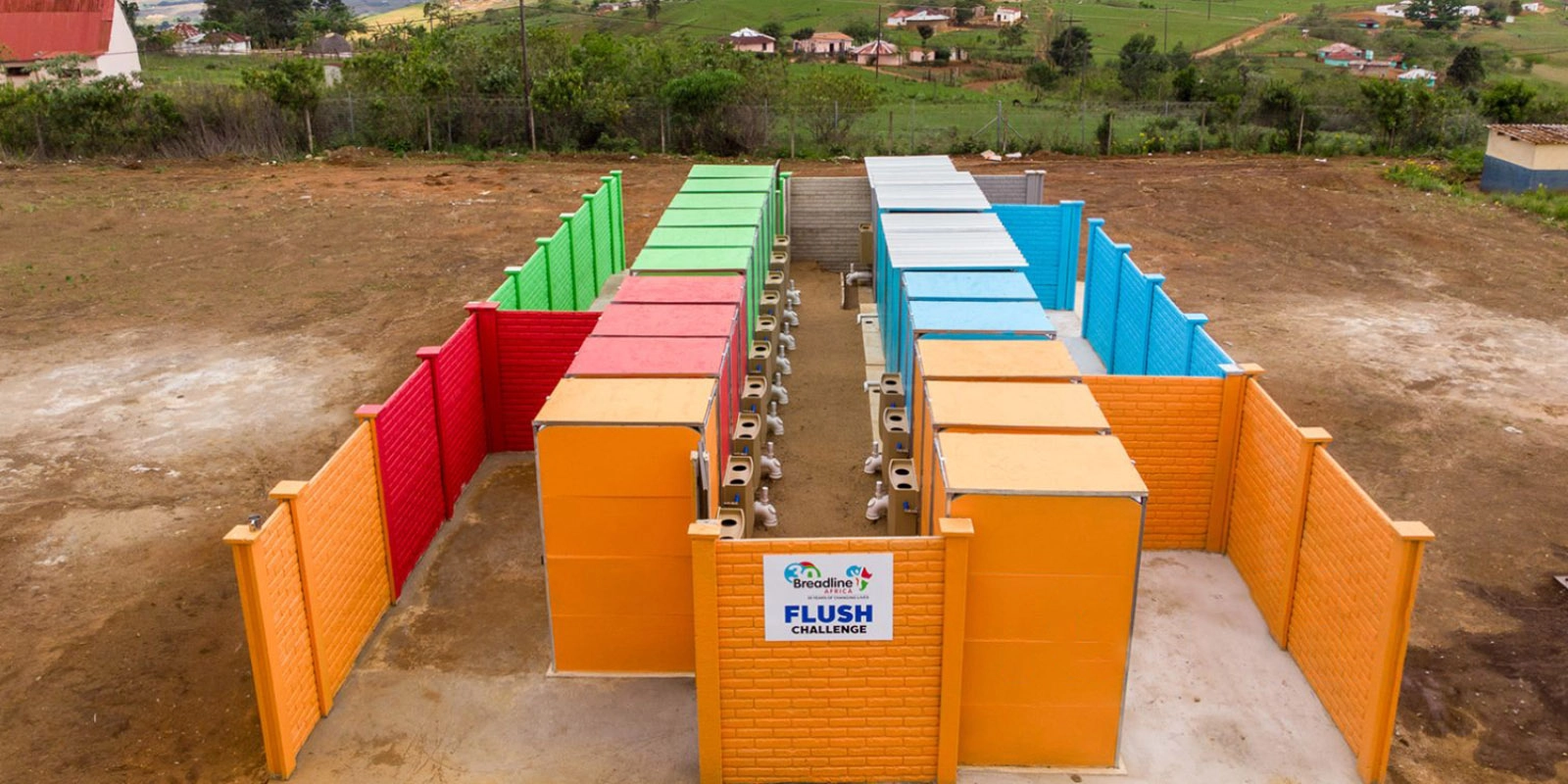
On 11 March 2025, the Department of Basic Education (DBE) announced that South Africa has surpassed the 93% milestone in its initiative to eradicate pit toilets in schools under the SAFE (Sanitation Appropriate for Education) programme. This achievement represents a significant step towards ensuring safer, healthier, and more dignified learning environments for thousands of learners across the country.
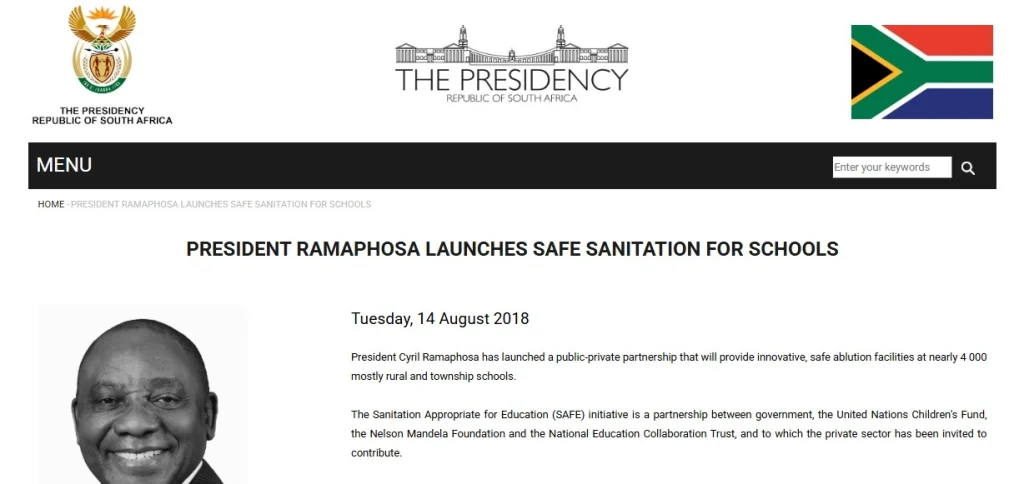
President Cyril Ramaphosa has long emphasized that access to safe sanitation is a basic human right and a cornerstone of quality education. The SAFE initiative, launched in 2018, has since mobilized public and private partnerships to replace unsafe and antiquated pit toilets with proper sanitation facilities.
Why This Milestone Matters
The progress made under the SAFE programme is undeniable:
- Thousands of learners now have access to flush toilets, ventilated improved pit (VIP) systems, and reliable water supply.
- Communities are witnessing improved dignity and reduced health risks associated with unsafe sanitation.
- The initiative reaffirms the government’s commitment to the right to education in safe environments.
For a country that has struggled for decades with the legacy of unequal infrastructure, reaching 93% eradication of pit toilets is no small feat. It shows what is possible when political will, resources, and partnerships align.
The Harsh Reality: Thousands of Learners Still Left Behind
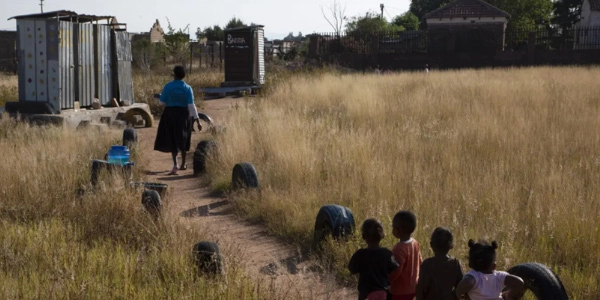
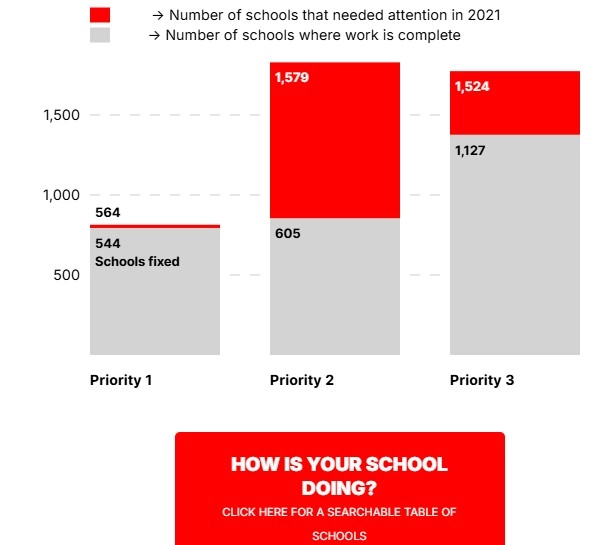
While 93% sounds like near completion, the reality on the ground tells a more sobering story:
- As recently as 2023, it was reported that over 3,000 schools in South Africa still relied on pit toilets
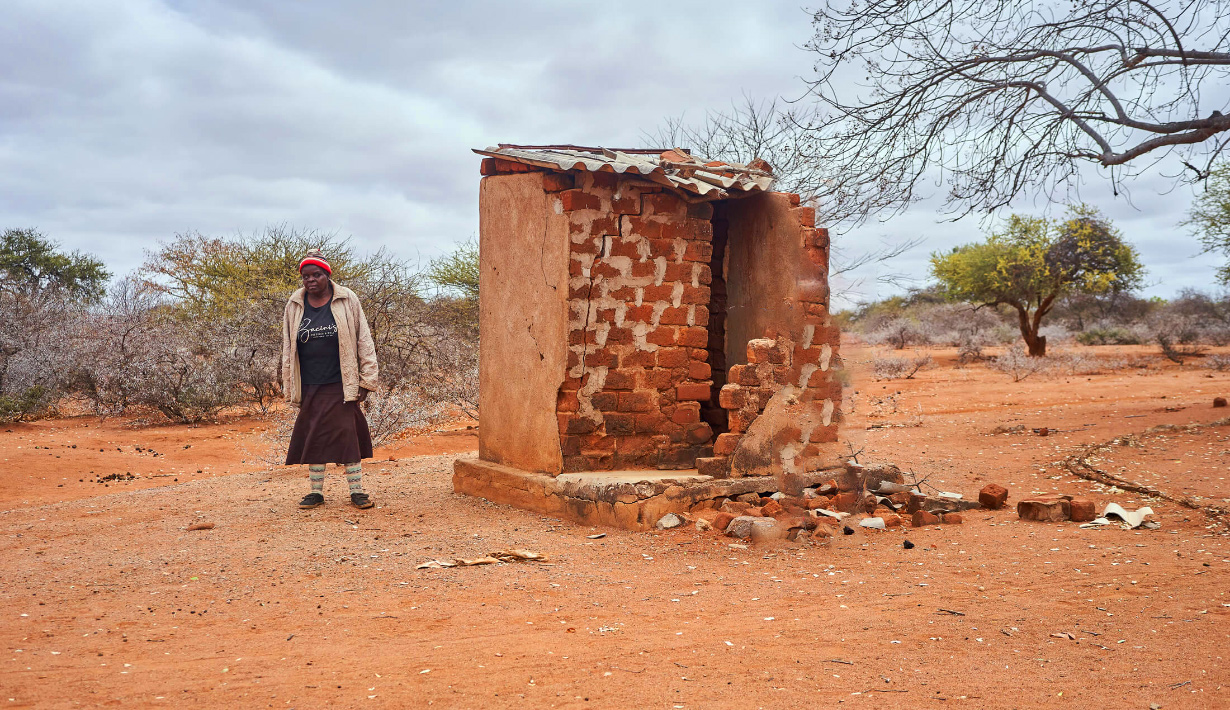
- Many schools in rural provinces remain dependent on unsafe and degrading facilities, leaving learners vulnerable to accidents, poor hygiene, and indignity.
- Civil society organisations such as SECTION27 have consistently highlighted ongoing failures to meet deadlines and ensure sustainable sanitation solutions.
The tragic deaths of children who have fallen into pit toilets in the past remain a stark reminder of the urgency of this issue. Celebrating milestones must not blind us to the fact that “almost there” is not good enough when the health, safety, and dignity of children are at stake.
Recognising the Role of Civil Society
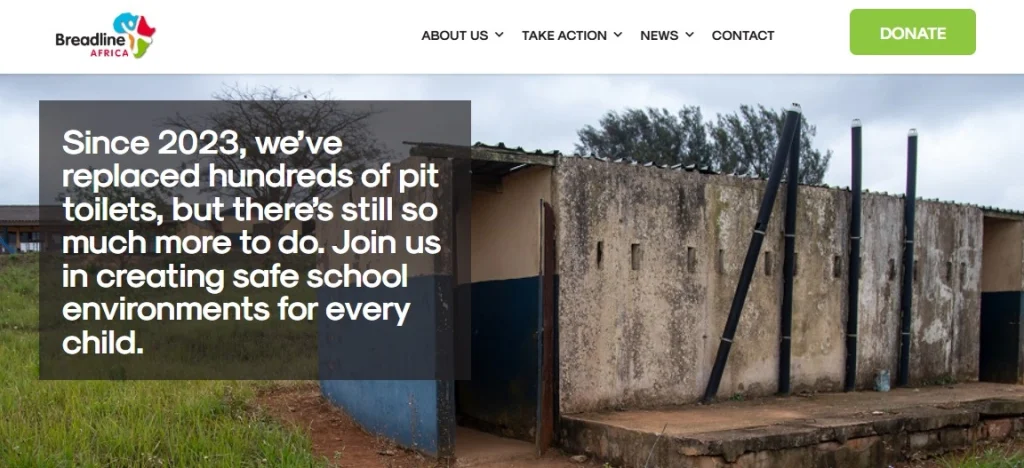
Government efforts alone cannot solve the sanitation crisis. Organisations such as Breadline Africa have been instrumental in bridging the gap by providing innovative, safe, and sustainable toilet solutions for schools that continue to struggle.
Through initiatives like their Toilet Crisis Campaign, Breadline Africa is helping to deliver child-friendly, reliable sanitation that goes beyond temporary fixes. Their work shows how partnerships between government, NGOs, and communities can accelerate the elimination of pit toilets and create safer environments for learners.
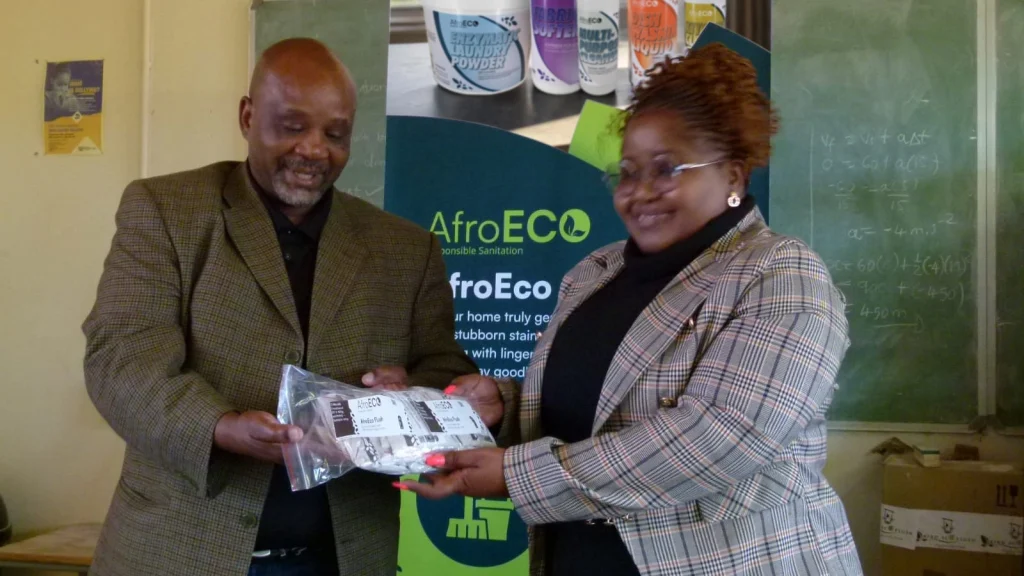
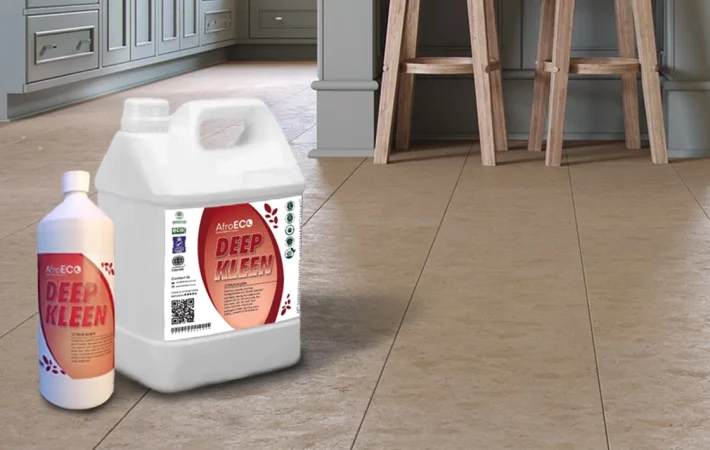
AfroECO’s Contribution: Supporting Schools with Eco-Friendly Solutions
Holding Ourselves Accountable
The SAFE programme has proven that progress is possible. But as South Africans, we must continue to hold government and partners accountable until 100% of pit toilets are eradicated—not 93%, not 95%, but every last unsafe facility replaced.
Civil society watchdogs, community leaders, and ordinary citizens play a crucial role in:
- Monitoring delivery through platforms like SECTION27’s sanitation tracker.
- Raising awareness to ensure momentum is not lost after big announcements.
- Demanding timelines and transparent reporting from officials.
A Call to Finish the Job
The 93% milestone is worth acknowledging—it is proof that we are moving forward. But we cannot rest until no child in South Africa has to choose between education and dignity.
Every learner deserves a safe environment to grow, learn, and dream without the fear and humiliation that pit toilets bring. This is not just a government responsibility—it’s a national moral obligation.
As we celebrate this progress, let us also recommit to the work ahead. Because until that last unsafe toilet is gone, the struggle is not over.


Leave a comment
Your email address will not be published. Required fields are marked *