Why Your Clothes Still Smell After Washing – And What to Do About It
Have you ever taken freshly washed laundry out of the washing machine, only to discover that your clothes still smell unpleasant?
It’s frustrating, especially when you’ve used a good amount of detergent and followed your usual washing routine.
Whether it’s a musty smell, lingering sweat, or that unpleasant damp-laundry odour, clothes that smell after washing are a common household problem.
However, adding more detergent or fabric softener isn’t always the answer.
In this guide, we’ll explore seven reasons why your clothes smell after washing, how to prevent the problem, and how the right laundry products can help keep your fabrics fresh.
7 Reasons Your Clothes Still Smell After Washing
1. You’re Using Too Much Laundry Detergent
It might seem logical that more detergent means cleaner clothes. Unfortunately, that’s not always true.
Excess detergent can leave residue on fabrics, particularly when the washing machine cannot rinse everything away.
Over time, this residue may trap dirt, body oils, and unpleasant odours.
What to do: Measure your detergent according to the product instructions, washing load size, and level of soiling.
Using the correct amount helps your washing machine clean and rinse more effectively.
2. Your Washing Machine Needs Cleaning
Even washing machines need a wash!
Detergent residue, fabric softener, lint, and moisture can accumulate inside the drum, detergent drawer, rubber door seal, and other components.
These areas may develop unpleasant smells that transfer to freshly washed clothing.
What to do:
- Clean the detergent drawer regularly.
- Wipe the rubber door seal, especially on front-loading machines.
- Check and clean the machine’s filter according to its manual.
- Run the manufacturer’s recommended drum-cleaning cycle.
- Leave the door and detergent drawer slightly open after washing, where safe, to allow moisture to escape.
A clean washing machine is an important starting point for fresh laundry.
3. You’re Leaving Wet Clothes in the Machine Too Long
Life gets busy. Sometimes, washing finishes while you’re doing something else.
However, leaving damp clothes inside a closed washing machine for several hours can encourage microbial growth and unpleasant smells.
Warm conditions can make the problem worse.
What to do: Remove clothes promptly when the cycle finishes.
If you’ve forgotten a load overnight and it smells musty, wash it again before drying.
4. Your Washing Machine Is Overloaded
An overloaded washing machine leaves less room for clothing to move through the wash water.
Consequently, detergent may not distribute evenly, and some garments might not receive sufficient washing or rinsing.
The result? Clothes that look clean but still smell unpleasant.
What to do: Follow your washing machine’s recommended load capacity.
Leave enough space for the clothes to move freely, especially when washing towels, bedding, and heavily soiled garments.
5. Sweat and Body Oils Aren’t Being Removed Properly
Gym clothes, work uniforms, socks, and everyday garments collect sweat, skin oils, and organic residues.
Although sweat itself is not always strongly scented, bacteria acting on sweat and body oils can create unpleasant smells.
Some synthetic fabrics can also hold onto these residues, making odours harder to remove.
What to do: Choose a detergent formulated to tackle organic stains and odours.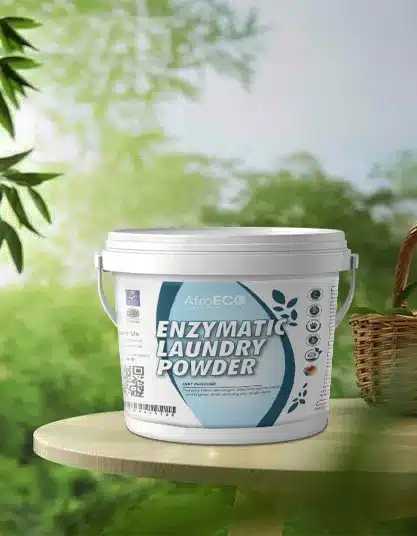
For example, AfroECO Enzymatic Laundry Washing Powder features a five-enzyme system designed to help remove stains and organic residues from clothing.
The formula is biodegradable, phosphate-free, and suitable for both handwashing and machine washing.
6. Clothes Aren’t Drying Properly
Even thoroughly washed clothes can develop an unpleasant smell if they remain damp for too long.
This often happens during rainy weather, in poorly ventilated rooms, or when thick garments are packed too closely together on a drying rack.
What to do:
- Hang washing as soon as possible.
- Allow space between garments.
- Improve airflow when drying indoors.
- Use a suitable tumble-dryer setting when necessary.
- Make sure clothes are completely dry before putting them away.
In South Africa, where seasonal rainfall can interrupt outdoor drying, having a well-ventilated indoor drying area is especially useful.
7. You’re Using Fabric Softener to Cover Up Odours
Fabric softener can make clothes feel softer and add a pleasant fragrance.
However, it doesn’t replace the cleaning action of laundry detergent.
If clothes contain trapped sweat, body oils, or detergent buildup, adding more fragrance may temporarily disguise the smell without solving the underlying problem.
What to do: Focus on removing the cause of the odour during washing.
Afterwards, use an appropriate amount of fabric softener where the garment’s care instructions allow it.
How to Remove Bad Smells From Clothes Naturally
Now that you understand the common causes, here’s a practical laundry routine to try.
Step 1: Separate Your Washing
Sort clothing according to fabric type, colour, and level of soiling.
For instance, avoid washing heavily soiled work clothes together with lightly worn garments.
This allows you to select a more suitable wash cycle.
Step 2: Choose an Effective Enzymatic Laundry Detergent
Enzymes are useful ingredients in laundry detergents because they help break down certain types of stains and organic residues.
Different enzymes target different materials, including proteins, fats, and starches.
AfroECO Enzymatic Laundry Washing Powder contains a five-enzyme cleaning system designed to remove stubborn dirt, stains, and odour-causing residues.
The detergent also contains oxygen-based bleaching agents to support cleaning and fabric brightening.
Why consider AfroECO Enzymatic Laundry Powder?
- Helps remove organic stains and unwanted odours.
- Suitable for front-loading and top-loading washing machines.
- Supports effective cleaning at moderate washing temperatures.
- Biodegradable and phosphate-free formulation.
- Available in multiple pack sizes for household and commercial use.
Always follow the recommended dosage and garment care labels.
Step 3: Use the Right Washing Temperature
Different fabrics require different temperatures.
AfroECO Enzymatic Laundry Powder is formulated for use between 30°C and 60°C. Its product instructions advise against exceeding 65°C.
For everyday clothing, a lower temperature may be sufficient. However, heavily soiled items may require a warmer cycle if the fabric care instructions allow it.
Choose your temperature according to the garments, the detergent instructions, and the washing machine.
Step 4: Add Fabric Softener Correctly
 Once your clothes have been washed effectively, fabric softener can help improve their feel and fragrance.
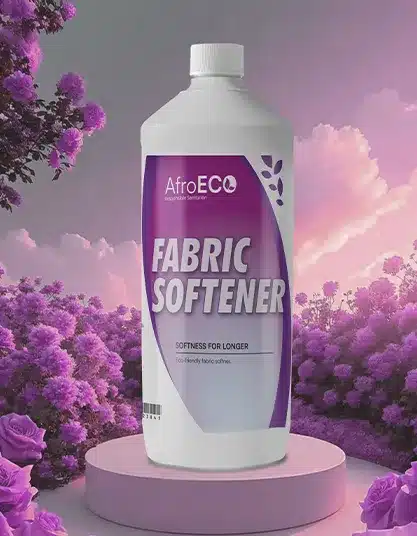
AfroECO Fabric Softener is a plant-based, biodegradable laundry conditioner formulated to soften fabrics and reduce static.
Add it to the designated fabric softener compartment so it’s released during the rinse cycle.
Avoid pouring it directly onto dry clothing.
Tip: Some fabrics, including certain sportswear and absorbent towels, may perform better without fabric softener. Always check the care instructions.
Step 5: Dry and Store Clothes Properly
After washing, remove clothes promptly and dry them completely.
Store clean laundry in a dry, well-ventilated cupboard.
Avoid packing clothes away while they are still slightly damp.
Eco-Friendly Laundry: Cleaner Clothes With Less Waste
Fresh laundry doesn’t have to mean excessive detergent, unnecessarily hot water, or repeated washing cycles.
By using the correct detergent dosage, choosing an appropriate washing programme, and drying your clothes properly, you can help reduce unnecessary water and energy consumption.
Selecting a biodegradable laundry detergent is another consideration for households looking to make more environmentally responsible cleaning choices.
However, the entire washing routine matters. Product choice, dosage, water usage, and washing frequency all contribute to your overall environmental impact.
Frequently Asked Questions
Why do my clothes still smell musty after washing?
Common causes include a dirty washing machine, excess detergent, damp laundry, poor rinsing, or leaving clothes wet for too long.
Start by cleaning your washing machine and reviewing your washing and drying routine.
Why do my gym clothes still smell sweaty?
Synthetic fabrics can retain body oils and odour-causing residues.
Try washing gym clothes separately with an appropriate detergent, avoid overloading your machine, and dry them promptly.
Can too much detergent make clothes smell bad?
Yes. Excess detergent may leave residue that traps dirt and contributes to unpleasant smells.
Follow the dosage instructions rather than adding extra detergent automatically.
Should I use fabric softener on every load?
Not necessarily.
Fabric softener is useful for many everyday garments, but it may affect the performance of sportswear, microfibre cloths, and certain absorbent fabrics.
Always follow the garment manufacturer’s care instructions.
Is AfroECO Enzymatic Laundry Powder suitable for washing machines?
Yes. AfroECO markets its enzymatic laundry powder for front-loading and top-loading washing machines, as well as handwashing.
The recommended quantity depends on the washing machine type and level of soiling.
Keep Your Laundry Fresh With AfroECO
If your clothes still smell after washing, don’t assume you need more detergent or stronger fragrance.
Instead, check your washing machine, reduce unnecessary detergent residue, wash at a suitable temperature, and dry your clothes properly.
Combining good laundry habits with an effective detergent can help tackle odours where they begin.
Ready for a fresher laundry routine?
Explore AfroECO’s laundry care range:
- AfroECO Enzymatic Laundry Washing Powder – A five-enzyme detergent formulated to remove stains and odour-causing organic residues.
- AfroECO Fabric Softener – A biodegradable fabric conditioner designed to leave suitable garments soft and freshly scented.
Shop Eco-Friendly Laundry Products
Fresh clothes. Effective cleaning. More responsible laundry care.