Is there an unpleasant smell coming from your kitchen sink, even after you’ve cleaned the kitchen? You’re not alone. A smelly kitchen drain is a common household problem, and it can make an otherwise clean kitchen feel dirty.
The good news is that most kitchen drain odours can be managed with better cleaning habits and regular drain maintenance.
In this guide, we’ll explain why your kitchen drain smells bad, how to identify the cause, and what you can do to keep your drains cleaner and fresher using environmentally responsible cleaning methods.
What Causes a Smelly Kitchen Drain?
Your kitchen sink handles much more than water. Every time you wash dishes, rinse vegetables, or clean cookware, small amounts of food, grease, and soap residue can enter the drain.
Over time, these materials can collect inside your pipes, creating conditions that lead to unpleasant smells.
Here are five common causes of kitchen drain odours.
1. Food Particles Trapped in the Drain
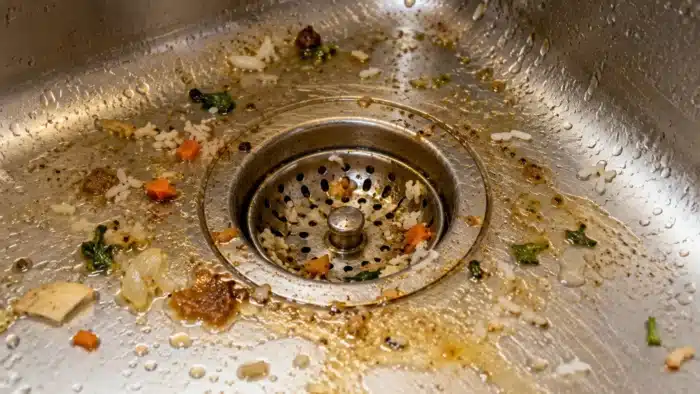
Small food particles often slip through the sink opening during washing. Rice, vegetable scraps, sauces, and other leftovers can become trapped in the drain or U-bend.
As this organic waste breaks down, bacteria can produce unpleasant smells.
The solution: Scrape plates into the bin before washing and use a sink strainer to catch food particles.
2. Grease and Oil Buildup
Cooking oils, fats, and grease are among the biggest contributors to kitchen drain problems.
Although grease may flow easily when warm, it can stick to the inside of pipes as it cools. Over time, this buildup traps food particles and restricts water flow.
Eventually, you may notice a bad smell, slow drainage, or a blockage.
The solution: Never pour cooking oil or grease down your kitchen sink. Allow it to cool and collect it for appropriate disposal. Wipe greasy pans before washing them.
3. Bacteria and Organic Builup
Your kitchen drain provides a damp environment where microorganisms can grow.
When organic matter collects inside the pipes, bacteria can form a sticky layer called biofilm. This buildup may contribute to persistent drain odours.
Cleaning the visible sink surface alone won’t necessarily remove the organic waste hidden inside the drainage system.
The solution: Maintain your drains regularly and use a suitable drain treatment designed to help break down organic buildup.
4. A Dirty or Blocked U-Bend
The curved pipe underneath your kitchen sink is called the U-bend or P-trap.
It holds water to prevent sewer gases from entering your home. However, it can also collect food scraps, grease, and other debris.
If the U-bend becomes dirty or partially blocked, you may notice unpleasant smells and slow drainage.
The solution: Have the trap cleaned when necessary. If you’re unfamiliar with plumbing, ask a qualified plumber to inspect it.
5. Plumbing or Sewer Problems
Not every kitchen drain smell comes from food waste.
A dried-out trap, damaged pipe, blocked vent, or drainage system fault can also allow unpleasant gases into your kitchen.
The solution: If the smell resembles sewage, returns quickly after cleaning, or affects several drains, contact a plumber. Cleaning products cannot repair plumbing faults.
How to Get Rid of Kitchen Drain Smells Naturally
Before reaching for aggressive drain chemicals, consider these practical steps.
Step 1: Remove Visible Food and Debris
Start by removing the sink strainer and clearing away any food particles around the drain opening.
Clean the sink and accessible drain cover using an appropriate cleaning product and a soft brush.
This helps remove material that can cause odours near the surface.
Step 2: Keep Grease Out of Your Drains
Prevention is one of the most effective ways to maintain a clean kitchen drain.
Before washing pots and pans:
- Scrape leftover food into the bin.
- Wipe excess grease from cookware.
- Collect used cooking oil separately.
- Avoid washing large amounts of fat down the sink.
Important: Hot water and dishwashing liquid may move grease further into the plumbing, but they do not guarantee its removal. Grease can collect again as the water cools.
Step 3: Use a Bio-Enzymatic Drain Treatment

If the smell is caused by organic buildup, a suitable biological drain treatment can be a useful part of your maintenance routine.
Unlike products that rely on highly caustic chemicals, biological drain treatments use microbial or enzymatic processes to help break down certain organic materials.
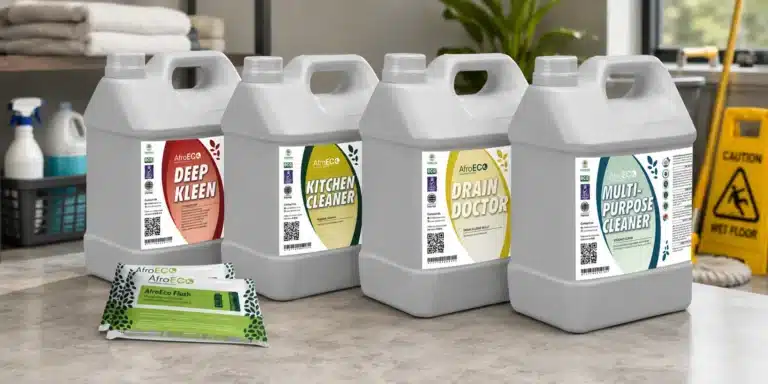
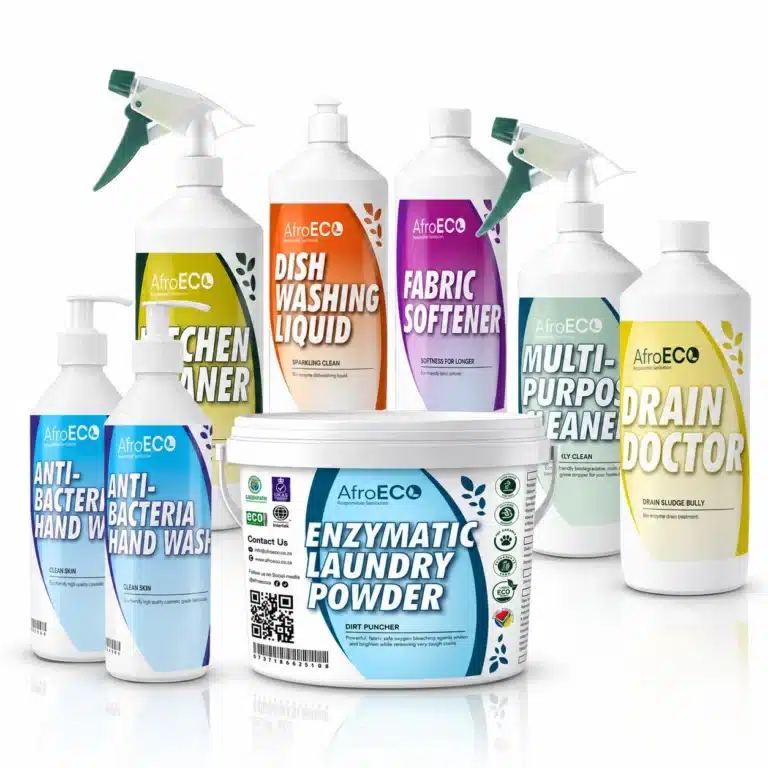
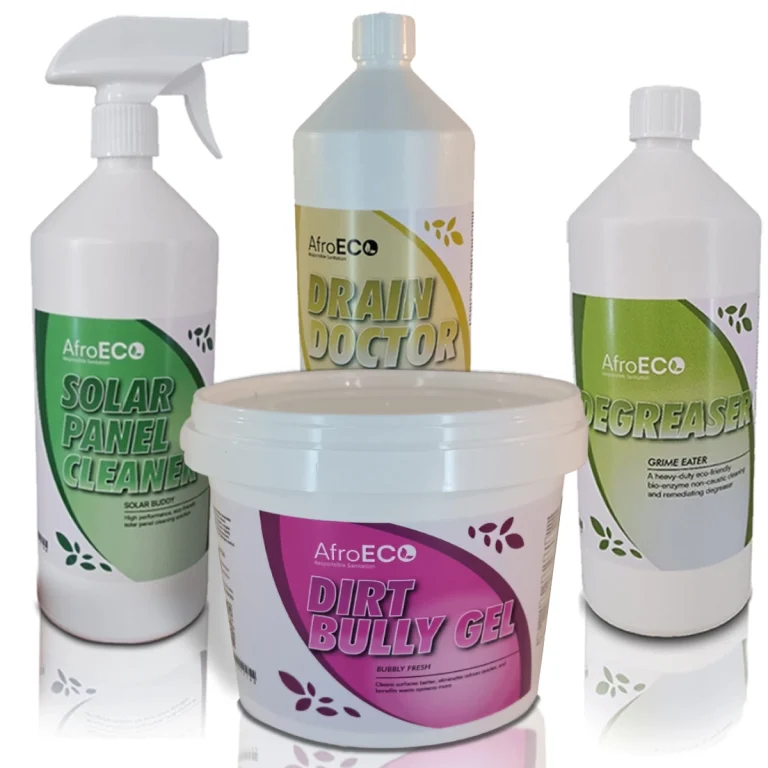
AfroECO Drain Doctor is a biodegradable, probiotic drain treatment developed to help manage organic buildup, grease residue, and unpleasant drain odours.
It is suitable for household drain maintenance and is also marketed for use with septic systems.
How to use AfroECO Drain Doctor:
- Pour the product directly into the drain, following the product label for the correct quantity.
- Leave it for at least 30 minutes or overnight, depending on the severity of the buildup.
- Flush with warm water as directed.
- Repeat weekly as part of your drain maintenance routine.
For best results, follow the manufacturer’s instructions and avoid mixing the product with bleach, acids, or other drain cleaners.
Remember, biological drain treatments are intended for suitable organic buildup. They cannot remove solid objects or repair damaged plumbing.
Can Dishwashing Liquid Help Prevent Kitchen Drain Odours?
Dishwashing liquid plays an important role in kitchen hygiene, especially when cleaning greasy plates, pots, and cookware.
However, it is important to understand what it can and cannot do.
A good dishwashing liquid helps lift grease and food residue from dishes so they can be cleaned effectively. This makes everyday kitchen cleaning easier.
AfroECO Dishwashing Liquid offers a biodegradable, plant-based formula designed to cut through grease and stubborn food residue.
According to its product description, the formula also contains ingredients intended to support the breakdown of organic residues in drainage systems.
However, dishwashing liquid is not a replacement for responsible grease disposal or dedicated drain maintenance.
For a cleaner kitchen, combine effective dishwashing with proper food waste disposal and regular drain care.
6 Simple Habits to Keep Your Kitchen Drains Fresh
A few small changes to your daily cleaning routine can make a big difference.
- Use a sink strainer. Catch food scraps before they enter the pipes.
- Dispose of cooking oil properly. Never pour leftover oil or grease down the sink.
- Wipe greasy cookware first. Remove excess fat before washing pots and pans.
- Clean your sink regularly. Pay attention to the strainer, drain opening, and surrounding surfaces.
- Maintain your drains. Use a suitable drain maintenance product according to its instructions.
- Act early. Investigate slow drainage or recurring smells before they become bigger problems.
These habits can help reduce organic buildup and lower the risk of unpleasant smells and blocked drains.
Why Eco-Friendly Drain Maintenance Matters
Kitchen drain care isn’t only about keeping your home smelling fresh. It’s also about protecting your plumbing and reducing unnecessary waste.
When grease and food particles enter the drainage system, they can contribute to blockages that require professional cleaning or repairs.
Choosing appropriate biodegradable cleaning products can form part of a more environmentally responsible household cleaning routine.
AfroECO develops cleaning and sanitation products with a focus on effective cleaning, bio-based technology, and environmental responsibility.
By combining good cleaning habits with suitable products, households can take a more proactive approach to drain maintenance.