Many businesses assume that eco-friendly cleaning products cost more than traditional chemicals. While the upfront price of a bottle may sometimes appear similar—or even slightly higher—the total cost of cleaning tells a very different story.
Bio-enzymatic cleaning products are designed to work smarter rather than harder. Instead of relying on harsh chemicals that simply move dirt or grease around, bio-enzymes break down organic waste at its source. The result is significantly lower product consumption, reduced labour, fewer maintenance problems, longer-lasting equipment, and lower operating costs.
For many businesses, these combined savings can reduce cleaning-related expenses by up to 50%.
What Makes Bio-Enzymes So Cost-Effective?
The biggest advantage of bio-enzymatic cleaners is that they create savings across multiple areas of a business—not just on the cleaning product itself.
Instead of purchasing larger quantities of chemicals, replacing damaged equipment, paying for blocked drains, or spending extra hours cleaning the same surfaces repeatedly, businesses benefit from a cleaning system that continues working long after application.
1. Highly Concentrated Products Mean Less Product Is Used
One of the primary reasons bio-enzymes save money is their highly concentrated formulations.
Unlike many conventional cleaners that require large amounts of product for effective cleaning, bio-enzymatic products are designed to be diluted while maintaining excellent performance.
This provides several financial benefits:
- Lower product consumption
- Longer-lasting stock
- Fewer replacement orders
- Reduced storage requirements
For example, concentrated bio-enzymatic vehicle wash solutions can be diluted extensively while still delivering excellent cleaning performance, allowing businesses to wash more vehicles using significantly less product.
Similarly, bio-enzymatic dishwashing liquids maintain stable foam even under heavy grease loads, reducing the amount of detergent needed throughout the day.
2. Faster Cleaning Reduces Labour Costs
Labour is often one of the largest expenses in any cleaning operation.
Bio-enzymes continue digesting organic matter after application, allowing cleaners to spend less time scrubbing stubborn grease, food residue, body fats, and other organic contaminants.
This results in:
- Faster cleaning times
- Increased staff productivity
- Lower labour costs
- Improved operational efficiency
Some specialised bio-enzymatic surface protectors also contain anti-static agents that reduce dust build-up. Because surfaces stay cleaner for longer, businesses can reduce the frequency of cleaning without sacrificing hygiene or appearance.
3. Lower Energy Costs
Traditional laundry detergents often require hot water to remove stains effectively.
Bio-enzymatic laundry powders are formulated to perform efficiently at temperatures as low as 30°C, helping businesses reduce electricity or gas consumption associated with heating water.
For organisations processing large volumes of laundry—such as hospitals, hotels, guest houses, care facilities, and laundries—these energy savings can become substantial over time.
4. Bio-Enzymes Prevent Costly Drain and Grease Trap Maintenance
One of the most significant long-term savings comes from preventing blockages before they occur.
Traditional chemicals often push grease further into drainage systems, where it hardens and eventually creates expensive blockages.
Bio-enzymes work differently.
They digest fats, oils, grease, proteins, and other organic waste into harmless by-products, preventing accumulation inside:
- Drains
- Grease traps
- Fat traps
- Sumps
- Wastewater systems
Businesses benefit by reducing or eliminating expenses such as:
- Emergency drain clearing
- High-pressure jetting
- Manual cable cleaning
- Grease trap pumping
- Sewer vacuum truck services
Instead of repeatedly paying contractors to remove blockages, bio-enzymes continuously reduce the build-up that causes them.
5. Protecting Pumps and Wastewater Infrastructure
Organic waste doesn’t only block drains—it also places additional strain on pumps and wastewater systems.
When pumps must work against accumulated sludge and grease, they consume more electricity and experience greater wear.
Keeping drainage systems cleaner allows pumps to:
- Operate more efficiently
- Use less energy
- Experience fewer breakdowns
- Last significantly longer
Reducing equipment failures helps businesses avoid costly repairs and unexpected downtime.
6. Non-Corrosive Cleaning Protects Expensive Equipment
Many conventional cleaning chemicals rely on caustic ingredients, chlorine, acids, or bleach.
Although these chemicals may clean effectively, they also accelerate corrosion on:
- Stainless steel
- Rubber seals
- Plastic fittings
- Vehicle decals
- Industrial equipment
- Mortuary equipment
- Pumps and plumbing
Bio-enzymatic cleaners are non-corrosive and non-toxic, making them safer for both equipment and users.
By extending the lifespan of valuable assets, businesses delay expensive capital replacement costs while reducing ongoing maintenance expenses.
7. Fleet Vehicles Stay Looking New
For transport companies and fleet operators, vehicle appearance is part of the brand.
Harsh detergents gradually fade:
- Vehicle decals
- Vinyl wraps
- Sign-writing
- Rubber trims
- Plastic components
Bio-enzymatic vehicle wash products clean effectively without damaging these materials.
Over time, businesses spend less on:
- Vehicle refurbishment
- Decal replacement
- Plastic restoration
- Paint correction
8. Avoid Municipal Fines Through Better Wastewater Compliance
Wastewater regulations are becoming increasingly strict across many industries.
Traditional chemicals often contribute to high Chemical Oxygen Demand (COD) levels, increasing the environmental impact of discharged wastewater.
Bio-enzymes naturally break down hydrocarbons, fats, proteins, and other organic waste into environmentally safer substances such as water and carbon dioxide.
For businesses that generate wastewater, this helps:
- Improve wastewater quality
- Support environmental compliance
- Reduce pollution
- Lower the risk of municipal penalties and fines
Compliance isn’t just good for the environment—it also protects the bottom line.
Why Total Cost Matters More Than Purchase Price
When comparing cleaning products, many buyers focus only on the purchase price.
However, the real cost of cleaning includes much more than what’s printed on the invoice.
A cleaning product affects:
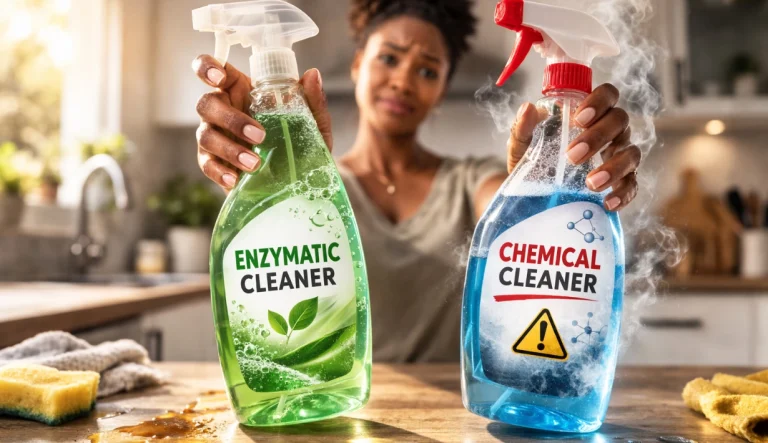
| Traditional Chemical Cleaners | Bio-Enzymatic Cleaners |
|---|---|
| Higher product consumption | Lower product usage |
| Frequent drain blockages | Digests organic waste |
| Corrosion of equipment | Protects infrastructure |
| Higher labour requirements | Faster cleaning |
| Increased energy usage | Effective at lower temperatures |
| More maintenance costs | Preventative cleaning |
| Greater environmental impact | Biodegradable and eco-friendly |
Looking at the total cost of ownership often reveals that bio-enzymatic products provide significantly greater long-term value.
Industries That Benefit Most
Businesses that handle large volumes of organic waste typically experience the greatest savings.
Examples include:
- Restaurants
- Commercial kitchens
- Hotels
- Hospitals
- Schools
- Shopping centres
- Manufacturing facilities
- Food processing plants
- Car wash businesses
- Cleaning contractors
- Property management companies
- Municipal facilities
Frequently Asked Questions
Are bio-enzymatic cleaning products more expensive?
The purchase price may sometimes be similar to traditional chemicals, but their high concentration, lower usage rates, reduced maintenance, and labour savings often make them considerably more economical over time.
Do bio-enzymes replace harsh chemicals completely?
For most everyday cleaning applications involving organic waste, yes. Bio-enzymes effectively digest grease, food residue, proteins, fats, and other organic contaminants without relying on corrosive chemicals.
How long does it take to see savings?
Businesses often notice lower product consumption immediately. Larger savings from reduced maintenance, equipment protection, and drain performance typically become more noticeable after several weeks or months of regular use.
Final Thoughts
If you’re asking, “How do bio-enzymes save 50% on costs?”, the answer lies in their ability to reduce expenses across every stage of the cleaning process.
Rather than simply cleaning surfaces, bio-enzymatic products continue working after application by digesting organic waste, protecting equipment, preventing blockages, reducing labour, lowering energy consumption, and supporting environmental compliance.
For businesses focused on lowering operating costs while improving sustainability, bio-enzymatic cleaning isn’t just an environmentally responsible choice—it’s a smart financial investment that delivers measurable long-term value.